
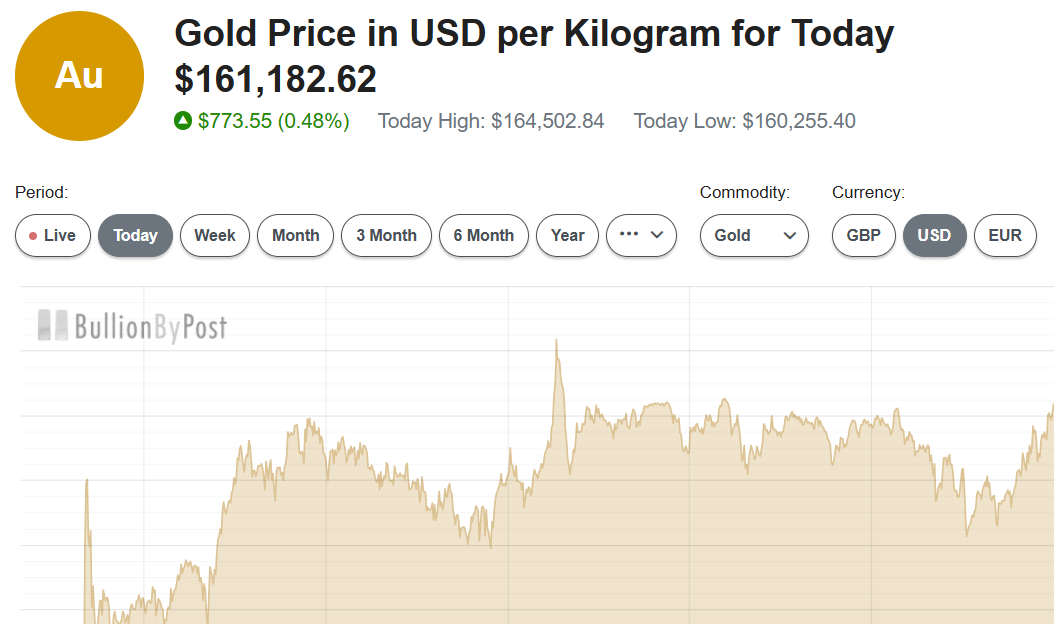
When gold prices rise sharply, real opportunities increase — and so do fraud attempts. In Uganda and across the region, scammers target both local sellers and international buyers using fake documents, impersonation tactics, and “too-good-to-be-true” deals.
This post is a practical warning and a checklist to help you avoid losing money, time, and reputation.
Why scams spike when gold is hot
- New buyers rush in (often without strong due diligence).
- Urgency takes over (“limited time”, “quick clearance”, “buyer waiting”).
- Greed gets triggered (offers below market that make no business sense).
Scammers feed on speed, confusion, and excitement. Professional trade doesn’t rush verification.
The most common gold scam patterns we’re seeing
1) Impersonation of legitimate companies and executives
Fraudsters clone logos, spoof email addresses, copy website content, and run WhatsApp impersonation schemes. They may send impressive PDFs, fake IDs, and even staged photos.
Hard truth: A logo, stamp, passport photo, or “official” PDF is not proof. Those are the easiest things to fake.
2) “Below-market” offers that don’t add up
If the price is meaningfully below market “because we need cash today,” you’re not looking at a bargain — you’re looking at bait.
3) Upfront “fees” before you see or verify anything
Common excuses include “export fee”, “customs release”, “security escort”, “assay fee”, “warehouse release”, or “courier charges”. Once you pay, the story changes and the fees keep coming.
4) Fake platforms and fake “licensed dealers”
Some criminals use professional websites and fake registrations to look legitimate. They may even publish posts to appear established.
5) Pressure tactics and secrecy
- “Don’t involve lawyers.”
- “Don’t bring inspectors.”
- “We must close today.”
- “Let’s meet at a hotel, not an office.”
Legit trade doesn’t fear verification. Scammers do.
Anti-scam checklist: Use this before ANY deal
Rule #1: Verify identity → verify product → verify paperwork → verify payments. In that order.
Step 1: Verify the company independently
- Confirm company registration details (name, directors, address).
- Check relevant licenses/permits for mineral trade (where applicable).
- Confirm a real physical presence (office/location) — not just “we operate online”.
Step 2: Verify the person through official company channels
- Confirm the individual is authorised using the company’s official contacts (website, official email, official phone line).
- Treat random WhatsApp numbers and free emails as high risk by default.
Step 3: Match the money trail to the legal identity
Basic rule: The account name must match the contracting company name. If they ask you to pay an “associate”, “agent”, “lawyer”, or “logistics partner” first — stop.
Step 4: No independent assay, no deal
Only proceed if the gold can be tested by an independent lab agreed by both parties, with clear chain-of-custody. If they refuse independent testing, you already have your answer.
Step 5: Use controlled payment structures
- Escrow arrangements (where appropriate).
- Staged payments tied to verified milestones.
- Clear contracts with named signatories and company seals.
Step 6: Use professionals (and don’t be shy about it)
- Legal review
- Compliance checks
- Independent assay specialists
- Document verification
Red flags to treat as “STOP NOW”
| Red flag | What it usually means |
|---|---|
| Price far below market “because we need cash today” | Bait to hook you before the scam starts |
| Refusal of independent assay/testing | They’re hiding the truth about the product |
| Upfront fees before verification | They want your money first, not a real transaction |
| Secrecy, urgency, “no lawyers” | They’re trying to block due diligence |
| Payments to personal/third-party accounts | Harder to trace and recover funds |
| Meetings in hotels/parking lots, not offices | They’re avoiding accountability and traceability |
| Inconsistent documents (names/dates/signatures) | Fabrication or poorly assembled forgery |
A note to international buyers (Dubai and beyond)
Cross-border deals increase complexity. That means your verification standards must be higher, not lower. If a seller is legitimate, they will cooperate with proper procedures, compliance, and independent verification.
Sakil Trading Africa: our stance
We encourage due diligence — even when dealing with us. That is how serious trade stays clean.
If you receive a message from someone claiming to represent Sakil Trading Africa and something feels off, verify through our official channels before sharing documents or sending any funds.
Report suspicious contact: If you believe you’ve been approached by impersonators or scammers, keep all evidence (emails, chat logs, numbers, documents, receipts) and report it immediately.
Official verification channels:
Email: info@sakiltradingafrica.com
Phone: +256 780 654268
Office: Lweza, Uganda
Quick FAQ
Is it normal to pay “fees” before I verify the gold?
No. Professional deals tie costs to verifiable milestones. Upfront fee pressure is a classic scam pattern.
What’s the fastest way to catch an impersonation scam?
Verify the person through the company’s official website contacts (not the contacts they sent you). Then confirm authorised signatories and payment accounts match the contracting company.
If the seller refuses independent assay, what should I do?
Walk away. No independent assay = no deal.
Final word: The market may be booming, but excitement should never replace process. Verify identity, verify product, verify paperwork, verify payments — every time.